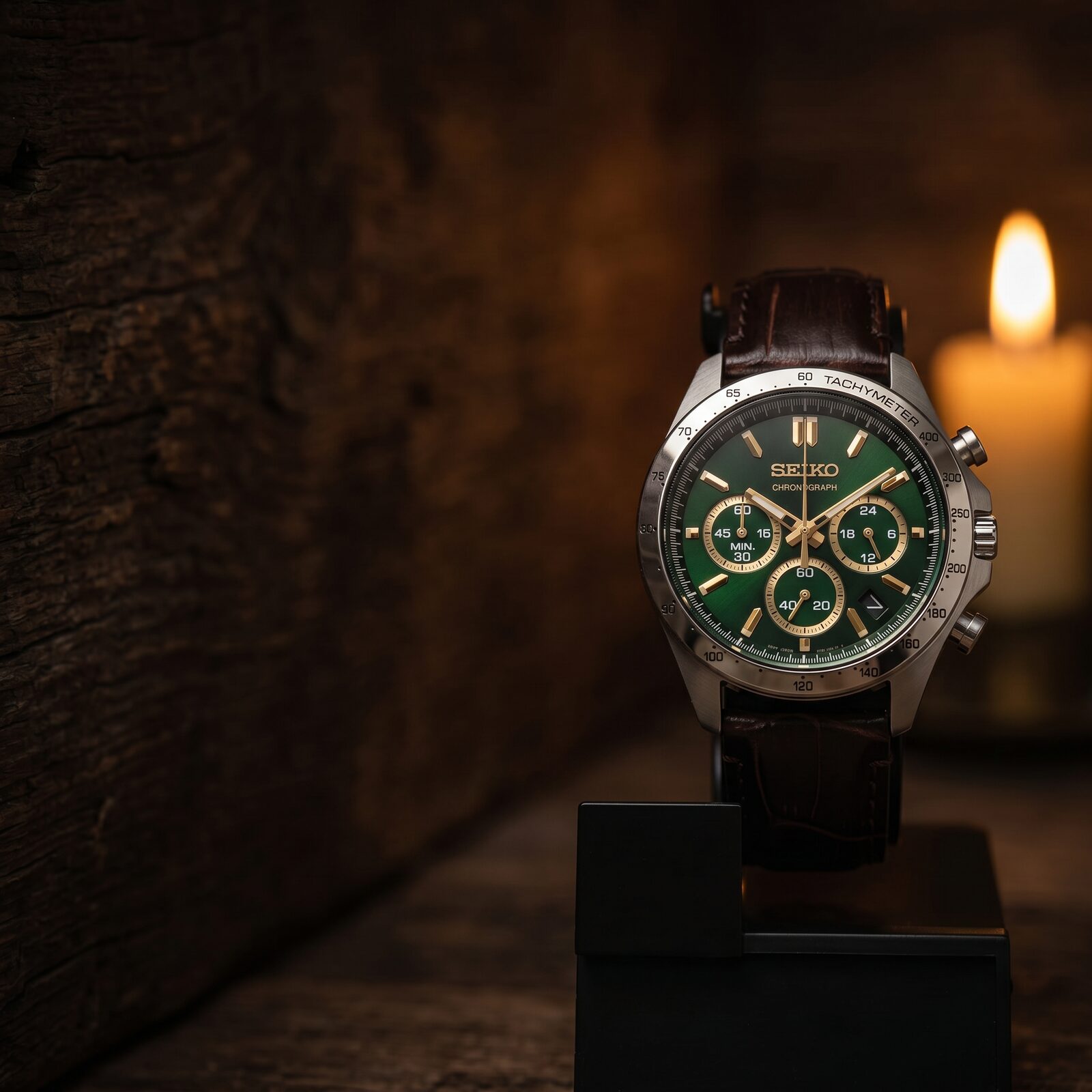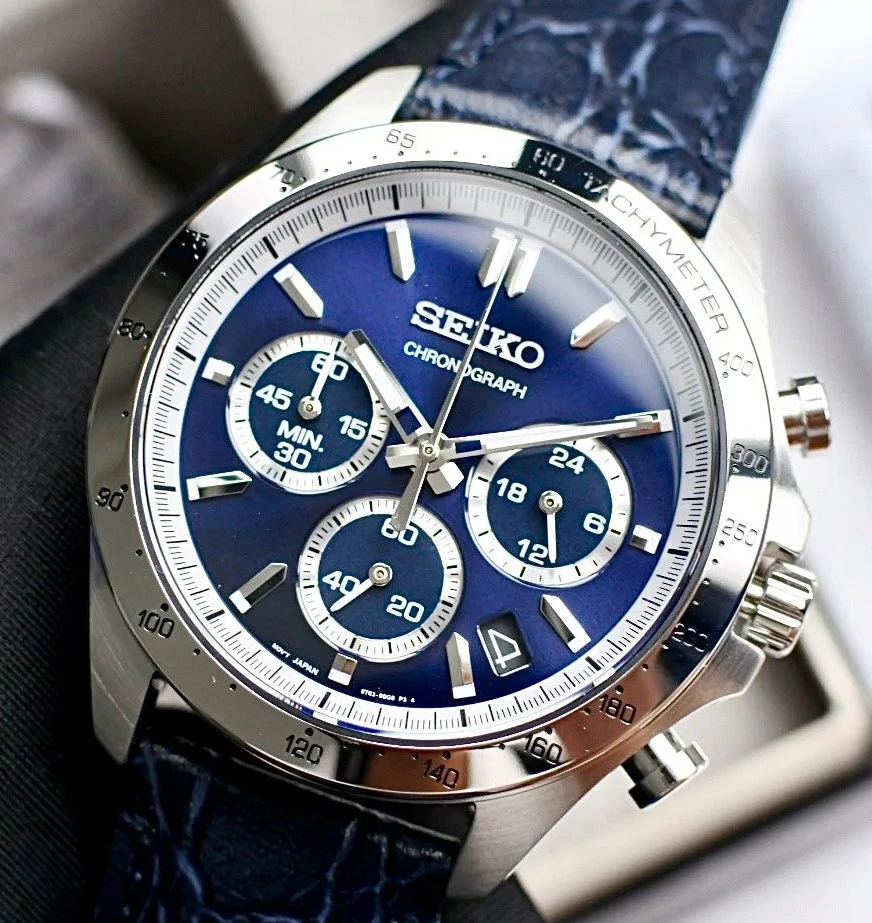
Leather is the one part of a watch that actually changes with you over time -- it picks up a patina, molds slightly to your wrist, and looks better after a year of honest wear than it did on day one. It also needs a bit more attention than a steel bracelet. Here's what actually matters.
Cleaning: less water than you think
Leather should never be rinsed or soaked. If the strap picks up dust or light grime, a soft cloth or a soft-bristle brush handles most of it. For anything more, a barely damp microfiber cloth -- not wet -- followed immediately by a dry cloth to pull out any moisture, is the safest routine. If you can, unclip the strap from the case first so moisture never gets near the movement.
Conditioning, occasionally
A small amount of leather conditioner every few months keeps the strap from drying out and cracking, especially in low-humidity climates. The key word is small -- overdoing it darkens the leather and can leave it feeling greasy rather than supple. Less is genuinely more here.
What shortens a strap's life
- Regular contact with sweat during workouts -- leather and exercise don't mix well
- Alcohol-based wipes or hand sanitizer residue, which dries and cracks leather quickly
- Direct, prolonged sunlight, which fades color over time
- Perfume, lotion, or sunscreen applied right before putting the watch on -- give it a few minutes to absorb first
If it does get wet
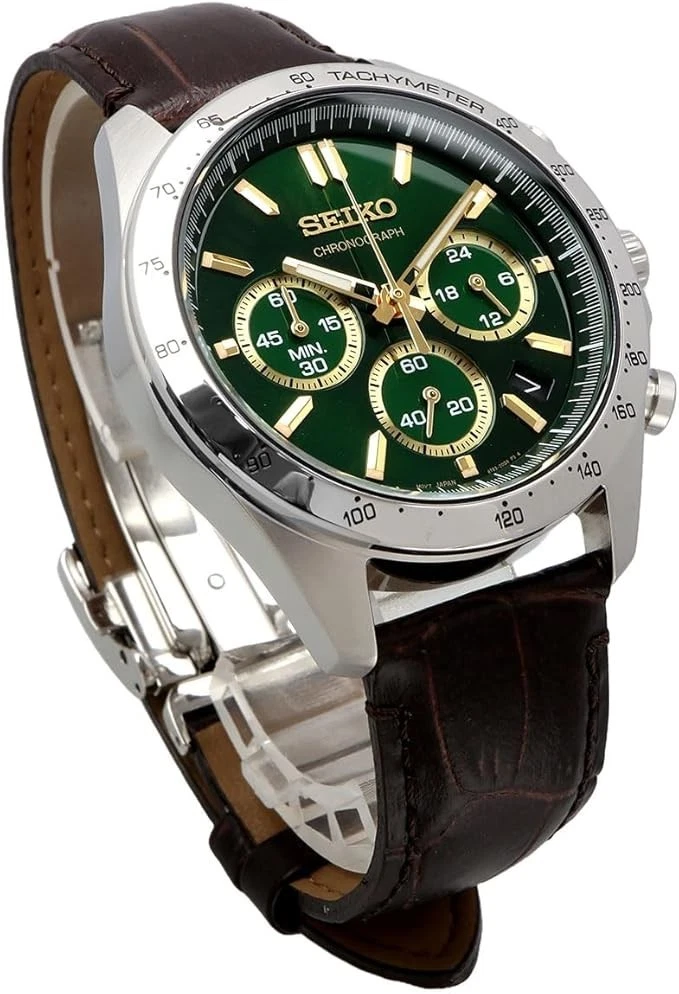
Pat it dry with an absorbent cloth and let it air dry naturally, away from direct heat. Never use a hair dryer or leave it on a radiator to speed things up -- fast drying is what causes leather to stiffen and crack. Treated reasonably, a genuine leather strap like the ones on the SBTR017 and SBTR019 will comfortably outlast several years of regular wear.