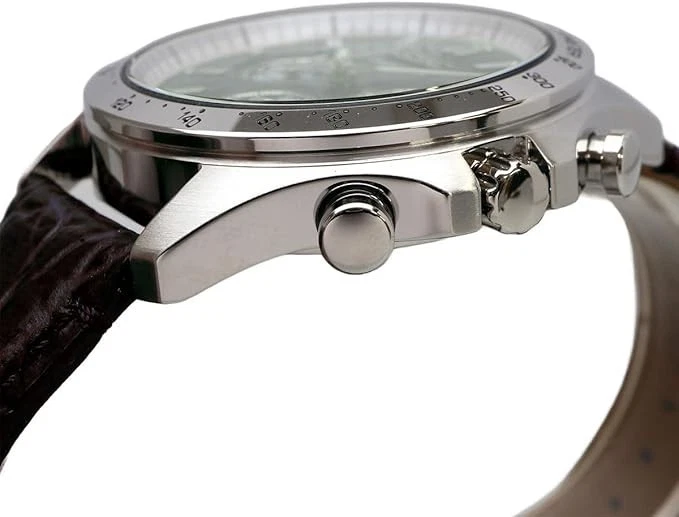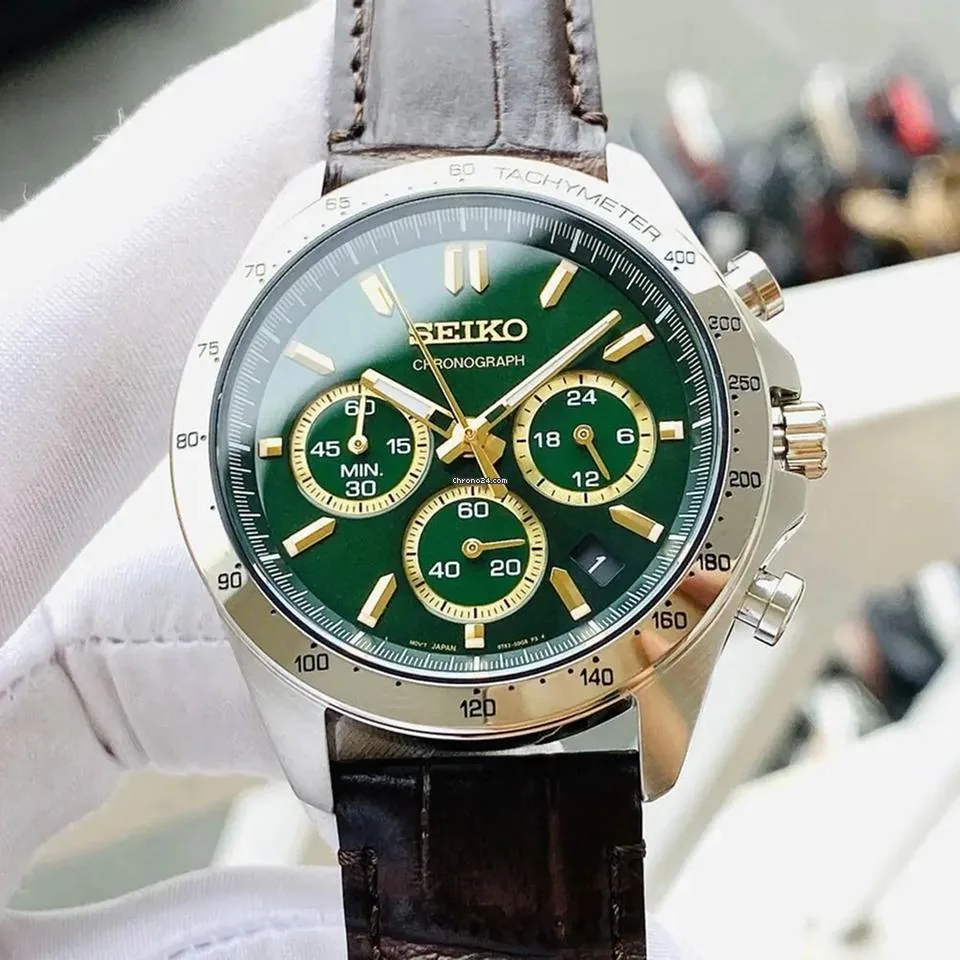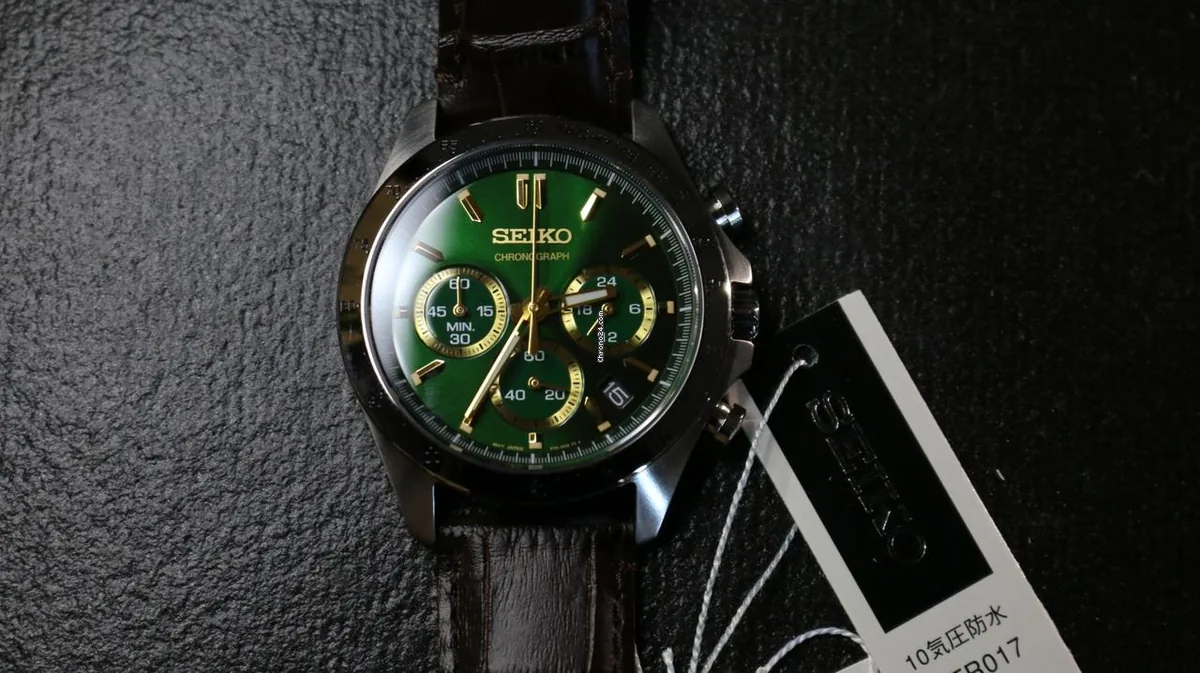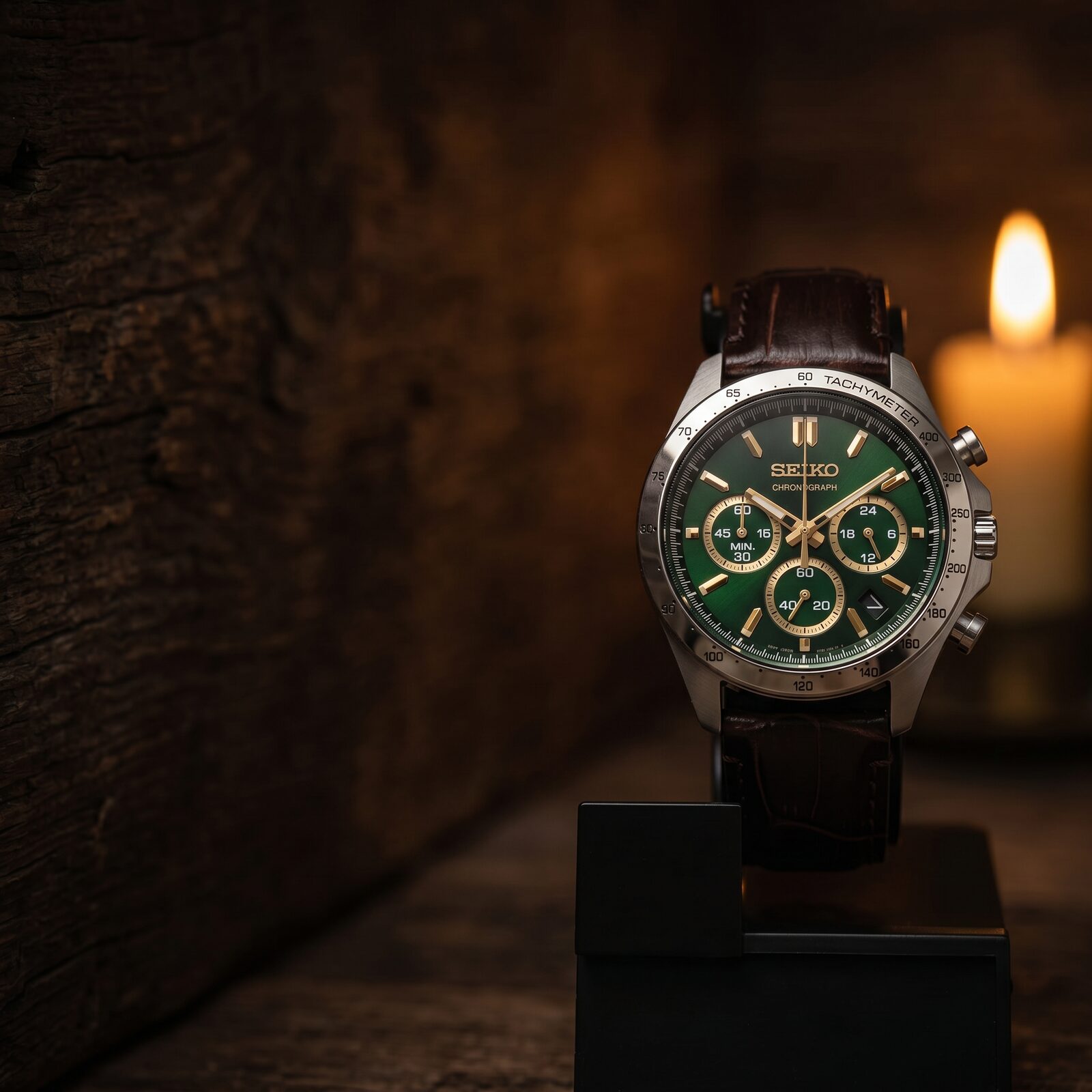
Seiko's chronograph story starts in 1964, when the company's Suwa factory built Japan's first wristwatch chronograph in time for the Tokyo Summer Olympics. That watch ran on the hand-wound Caliber 5719, and it already carried hallmarks that would define Seiko chronographs for decades: a column wheel, vertical coupling, and Seiko's own Magic Lever winding system.
The race to automatic
By 1967, much of the Swiss watch industry had turned its attention toward quartz technology -- but Seiko kept pushing on mechanical chronographs anyway, developing Calibers 6139 and 6138. It took only two years: in May 1969, Seiko released the '5 Speed-Timer,' built around Caliber 6139, and it beat the well-known Swiss chronograph consortiums to market as the first automatic chronograph actually sold in stores.
Where quartz chronographs fit in
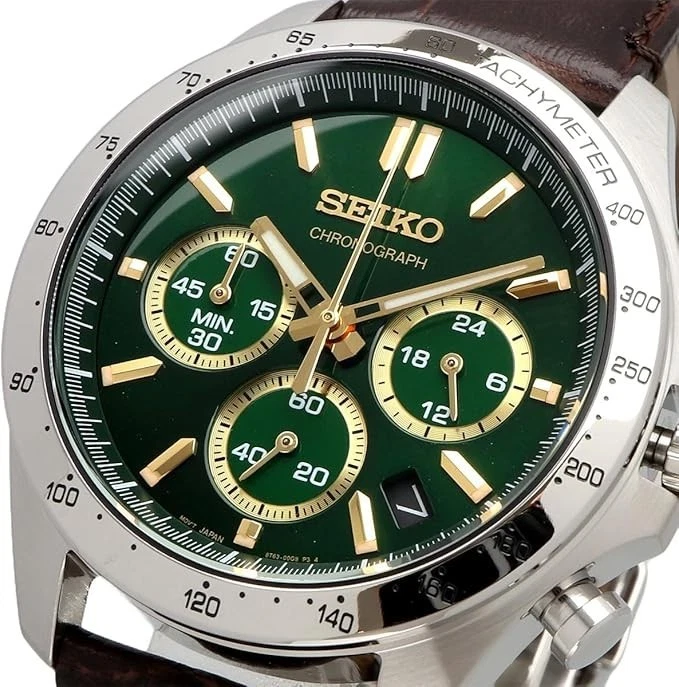
Seiko's other defining contribution to horology was, of course, quartz -- and that same engineering focus eventually produced quartz chronograph movements built for accuracy and daily reliability rather than mechanical showmanship. The 8T63 inside the SBTR017 and SBTR019 is a direct descendant of that lineage: a mecaquartz movement that combines quartz timekeeping with a mechanical chronograph module, refined over generations of Seiko movements built for exactly this purpose.
Why that history matters for a £299 watch
It's easy to assume a movement like the 8T63 is a budget afterthought. It isn't -- it's the current point in a chronograph engineering lineage that goes back to 1964, built by the same company that forced the entire Swiss watch industry to take quartz seriously. The SBTR017 and SBTR019 aren't just wearing that history as a marketing line; they're running actual descendants of it.